
High Agency

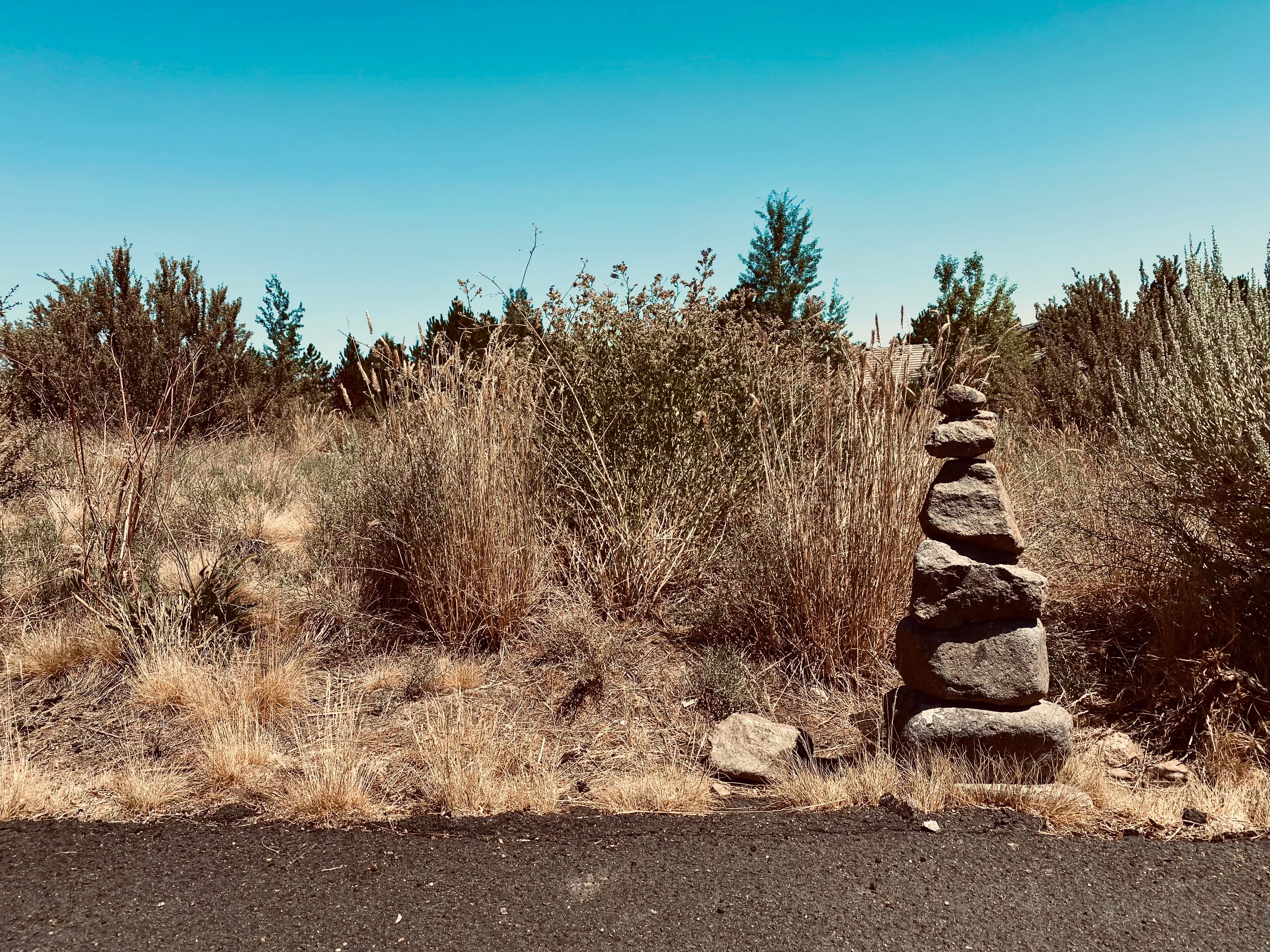
A little over a year ago, I relocated my home base and many of my business ops to Reno/Tahoe, NV from Austin, TX. I didn’t do so because I soured on Austin. I love Austin, still consider it a home away from home, and I find excuses to go back regularly. I shipped off to Reno because I love the mountains and driving 25 minutes is easier than catching a flight to Colorado or Utah.
For a while, I second-guessed my decision to head for the hills. A large part of my professional life sits at the intersection of engineering, technical startups, and pairing investors with companies pursuing meaningful innovation. Austin is, by most measures, one of the most robust U.S. hubs for such an ecosystem. I felt like I had traded living in the land of opportunity for a city that, professionally speaking, felt like an entirely different planet. That’s no fault of Reno’s. It just didn’t feel like Austin.
And I complained about it. You can ask my fiancée. I was insufferable for a few months, thinking that I had pulled the e-brake on my own professional development for the sake of skiing after finishing my Ph.D. I walked around for the better part of a season of life complaining about skiing all winter instead of working with new people as if I was forced into it.
Eventually, I got over myself, noting the lunacy in my gripes.
Part of what pulled me out of my slump was stumbling upon the Sierra Angels. SA is Nevada’s primary angel network, founded in 1997, with members between Las Vegas, Reno/Tahoe, and very rarely the hundreds of miles of barren high desert in between. The organization is as old as I am, and older than most of the startups it supports by a long shot. I joined the group last summer, making me a relatively new member. At a pitch night last week, I got to talking with Jeff Saling, the current head of the organization.
I didn’t know it until talking to him, but Jeff had a similar trajectory to my own. He lived in Austin for a time, building and successfully exiting three companies while he was a Texan. He was intimately plugged into Capital Factory’s Austin location, building within and learning from one of the country’s pr
emier startup accelerators. Then he moved to Reno, and quickly noticed the same thing I did: the startup support infrastructure in Nevada just wasn’t the same as it was in Austin, where it existed at all.
The difference is what Jeff did with that information. I whined about it for a few months. Jeff took it upon himself to build StartupNV in 2017, a Nevada-based accelerator that has helped ~2,500 Nevadan early stage founders across four funds. This essay isn’t a plug for StartupNV or the Sierra Angels, but a commentary on agency. Jeff saw a gap between Austin and Nevada’s startup support culture and decided it was a problem worth solving rather than a grievance to bitch about, building from scratch the ecosystem he was lacking.
I walked away from my conversation with Jeff thinking about agency. Real agency, that is, not the motivational poster version. Agency as the willingness to look at circumstances, including the ones that I didn’t choose or might have chosen with limited foresight, and doing something about them instead of being their casualty.
This is part of what draws me to the technical startup ecosystem in the first place. If you strip away the hustle-culture theater, the GPT wrappers with billion dollar valuations, the founders who spend more time on commenting on LinkedIn than working on the best version of their idea…technical entrepreneurship and the systems that support it operate with a genuine “can-do” current. People who see a broken or missing thing and decide to fix it.
Some might call it naive optimism, but I think it’s more of a default assumption that all problems are solvable. I’m talking about real problem-solving, not manufactured problems that commoditize attention or feed rampant consumerism.
There’s a lot of noise right now about agentic AI, positive and negative. What it can do, who it will replace, what it will break. How it’s awesome for humanity and its future, how it’s an existential threat to humanity and its future. Some of the bedlam might be warranted. But I think the most important part of the buzzword is the descriptor itself, agentic. I think it’s curious that we’ve handed that title, of being agentic, over to software.
As humans, we are agents. The human brain, for all its flaws, remains one of the most intricate problem-solving instruments we know of. Nobody knows quite how deep its capacities go. It can hold contradictions, read a room, change its mind, care about outcomes and other beings. It can move to the mountains to get more ski days in and, eventually, stop complaining about doing so.
I’m not here to make an anti-AI argument, I’m instead hoping to make a pro-human one, championing agency and the zeal to alter circumstances. In all the conversations about the coming wave of agentic AI and what it will do to us and for us, it’s worth remembering that we don’t need to outsource our own agency, nor do we need permission to act on it. We can make better conditions instead of waiting for them to show up.
Jeff Saling didn’t wait for Nevada to become Austin, he took steps to fill a gap and give Nevada an ecosystem of its own. That’s the whole thing, really.